Safety data sheet
Standardized safety protocols and material specifications for professional use.
Certificate of Analysis
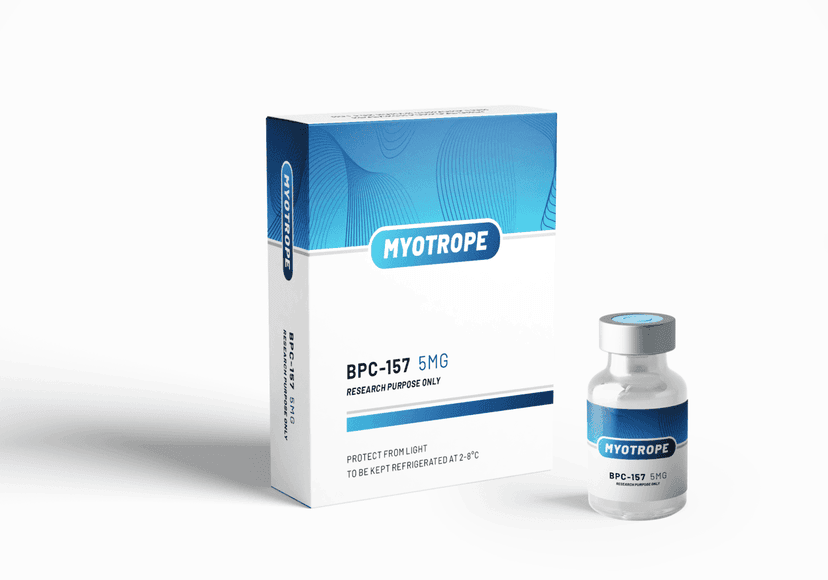
Purity verified via High-Performance Liquid Chromatography (HPLC) for #myo-bpc-157-5mg
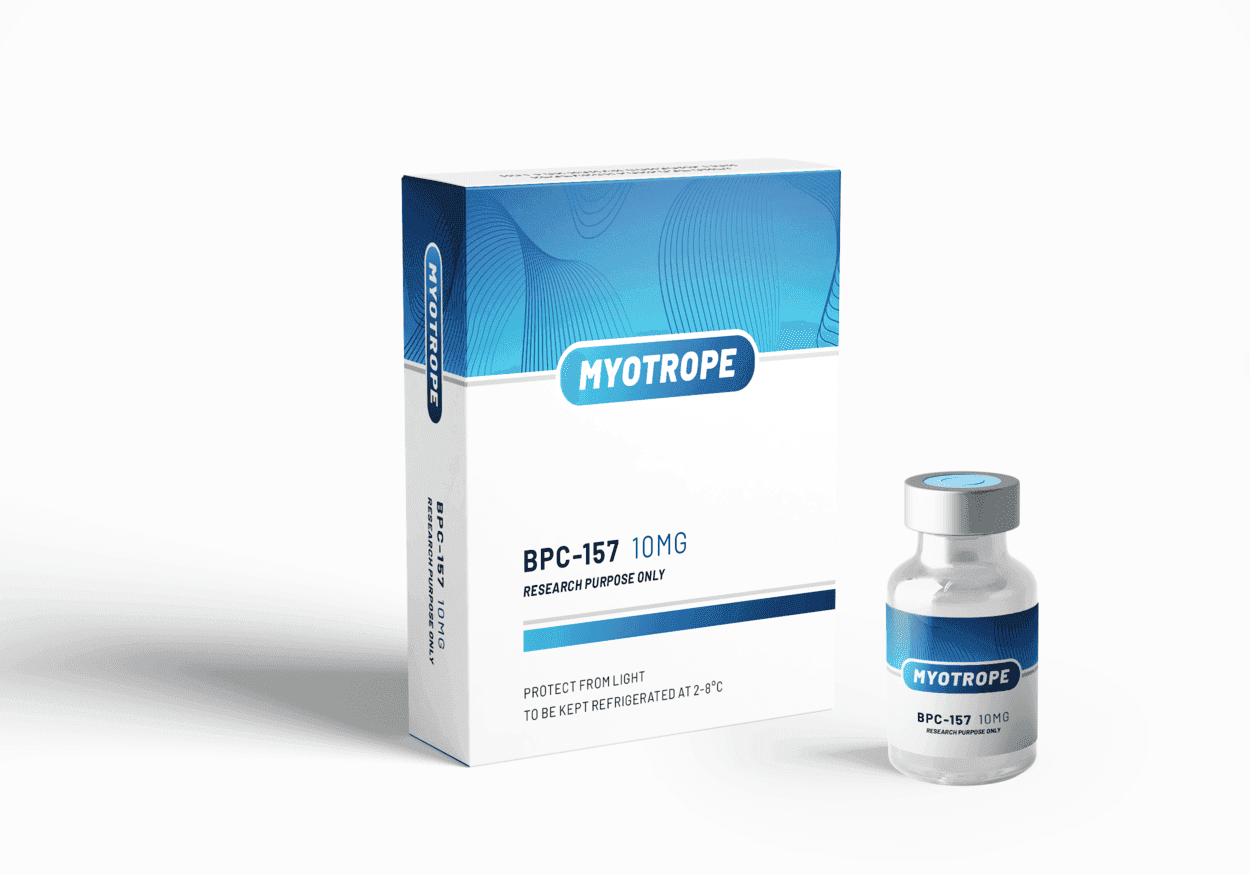
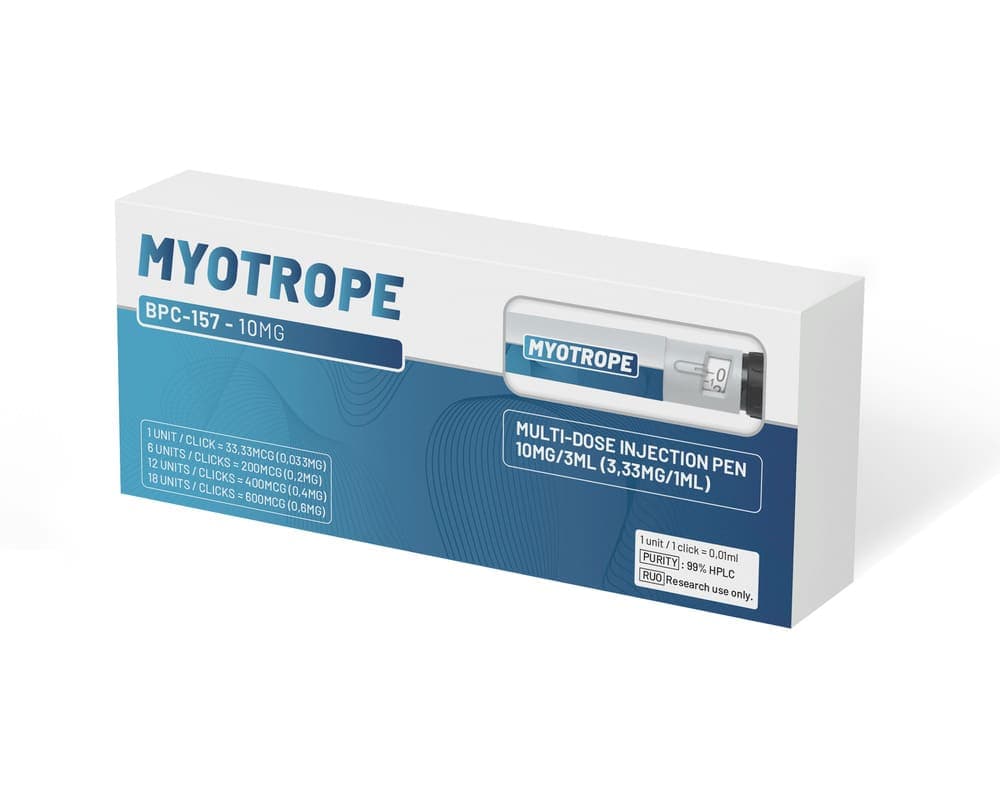
BPC-157 (5mg)
Ultra High >99.8% Purity
Authorized Resellers
Available through our trusted partners
123peptide.com
Netherlands · Europe
local_shipping2-3 Business Days
Depeptidenwinkel.com
Netherlands · Europe
local_shipping2-3 Business Days
Scientific Background
BPC-157 (Body Protection Compound-157) is a synthetic 15-amino-acid peptide derived from a protective protein found in gastric juice, studied for its tissue-healing and cell-protecting properties.
Preclinical models show it speeds up wound repair and reduces inflammation, while human data is limited to early safety trials and small case reports. As an investigational compound, BPC-157 is not approved for therapeutic use and is provided strictly for research purposes into healing, regeneration, and cytoprotection.
Research protocols usually involve once-daily subcutaneous delivery, with dosing based on animal models showing regenerative benefits. Preclinical evidence points to support for molecular repair and renewal under stress, affecting blood vessel and cell-protective signals.
Intended Research Use
- Tissue repair in gut, tendon, muscle, and skin injury models
- Anti-inflammatory and cytoprotective properties research
- Molecular repair and regenerative processes under stress conditions
- Nitric oxide pathway and growth factor modulation studies
- Blood vessel formation and collagen buildup in damaged tissues
menu_bookScientific Publications
J Pharmacol Sci (2008)
Pentadecapeptide BPC 157, in clinical trials as a therapy for inflammatory bowel disease, is effective in the healing of colocutaneous fistulas in rats
open_in_newhttps://pubmed.ncbi.nlm.nih.gov/18827458/
Pharmaceuticals (2025)
Multifunctionality and Possible Medical Application of BPC-157: Literature and Patent Review
open_in_newhttps://pubmed.ncbi.nlm.nih.gov/38156225/
Curr Pharm Des (2018)
Stable Gastric Pentadecapeptide BPC 157-NO-Release and Clopidogrel, the New Double Jeopardy Demonstrated by Capillaries Failure
open_in_newhttps://pubmed.ncbi.nlm.nih.gov/29714139/
Curr Pharm Des (2018)
BPC 157 and Standard Angiogenic Growth Factors. Gastrointestinal Tract Healing, Lessons from Tendon, Ligament, Muscle and Bone Healing
open_in_newhttps://pubmed.ncbi.nlm.nih.gov/29345512/
HSS J (2025)
The Emerging Use of Peptide Therapeutics in Orthopaedic Sports Medicine: A Scoping Review
open_in_newhttps://pubmed.ncbi.nlm.nih.gov/38314295/
J Appl Physiol (2011)
The promoting effect of pentadecapeptide BPC 157 on tendon healing involves tendon outgrowth, cell survival, and cell migration
open_in_newhttps://pubmed.ncbi.nlm.nih.gov/21030672/
Curr Med Chem (2011)
Stable gastric pentadecapeptide BPC 157: novel therapy in gastrointestinal tract
open_in_newhttps://pubmed.ncbi.nlm.nih.gov/21083588/
Curr Pharm Des (2018)
BPC 157 as Potential Agent Rescuing from Cancer Cachexia
open_in_newhttps://pubmed.ncbi.nlm.nih.gov/29714140/
Research Note: BPC-157 influences blood vessel and cell-protective signaling through nitric oxide pathways, growth factor expression, and matrix remodeling. Preclinical studies suggest it promotes blood vessel formation and collagen buildup in damaged tissues with high tolerance in early research.
FOR RESEARCH USE ONLY. This product is intended for laboratory research purposes only and is not for human consumption, medical, or diagnostic use.
Possible stacks with other peptides
Synergistic combinations for enhanced research outcomes
Preclinical research suggests combining BPC-157 with complementary peptides can enhance tissue repair and regeneration outcomes. These combinations are frequently examined in injury recovery, wound healing, and regenerative medicine research, where multiple pathway targeting may yield amplified effects on tissue building and repair.
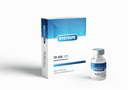
TB-500 (5mg vial)
arrow_forwardmyo-tb-500-5mg
For synergistic tissue repair and regeneration — the classic combo for accelerated injury healing.
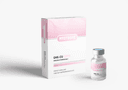
GHK-Cu (50mg vial)
arrow_forwardmyo-ghk-cu-50mg
For enhanced wound healing and skin/tissue recovery with collagen production support.
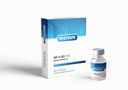
IGF-1 LR3 (1mg vial)
arrow_forwardmyo-igf-1-lr3-1mg
For muscle and tissue growth support through complementary growth signaling.
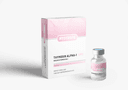
Thymosin Alpha-1 (10mg vial)
arrow_forwardmyo-thymosin-alpha-1-10mg
For immune modulation during recovery and enhanced healing response.
Cycling Note: Standard research cycles are 8–12 weeks with optional extension to 16 weeks. Consider rest periods between cycles to maintain responsiveness.