Safety data sheet
Standardized safety protocols and material specifications for professional use.
Certificate of Analysis
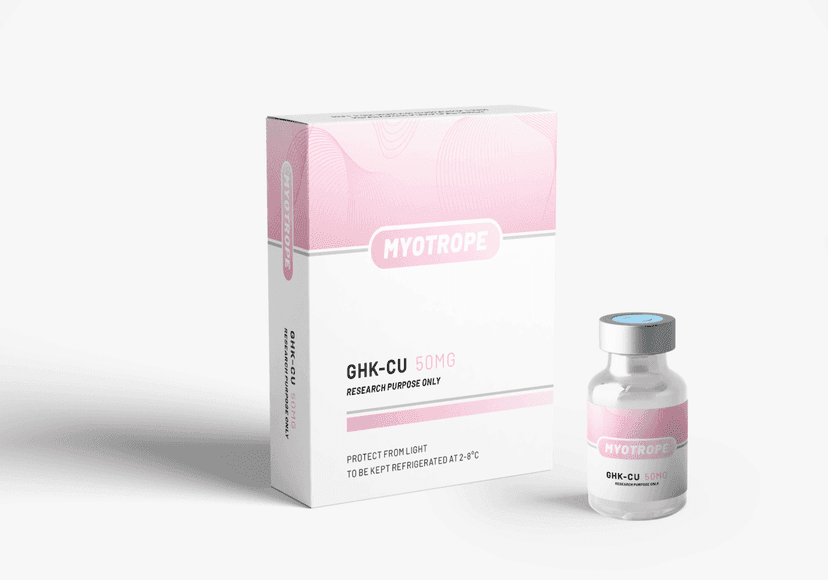
Purity verified via High-Performance Liquid Chromatography (HPLC) for #myo-ghk-cu-50mg
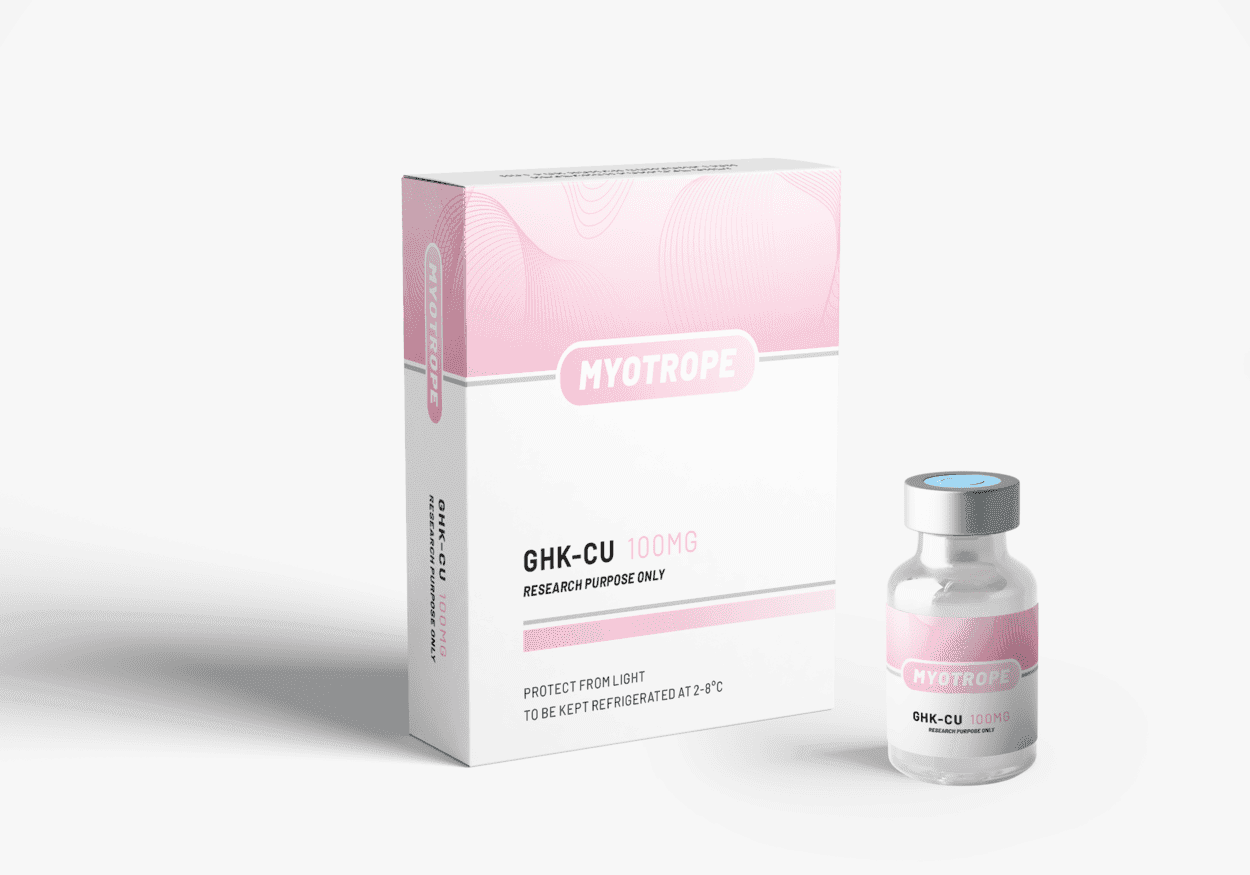
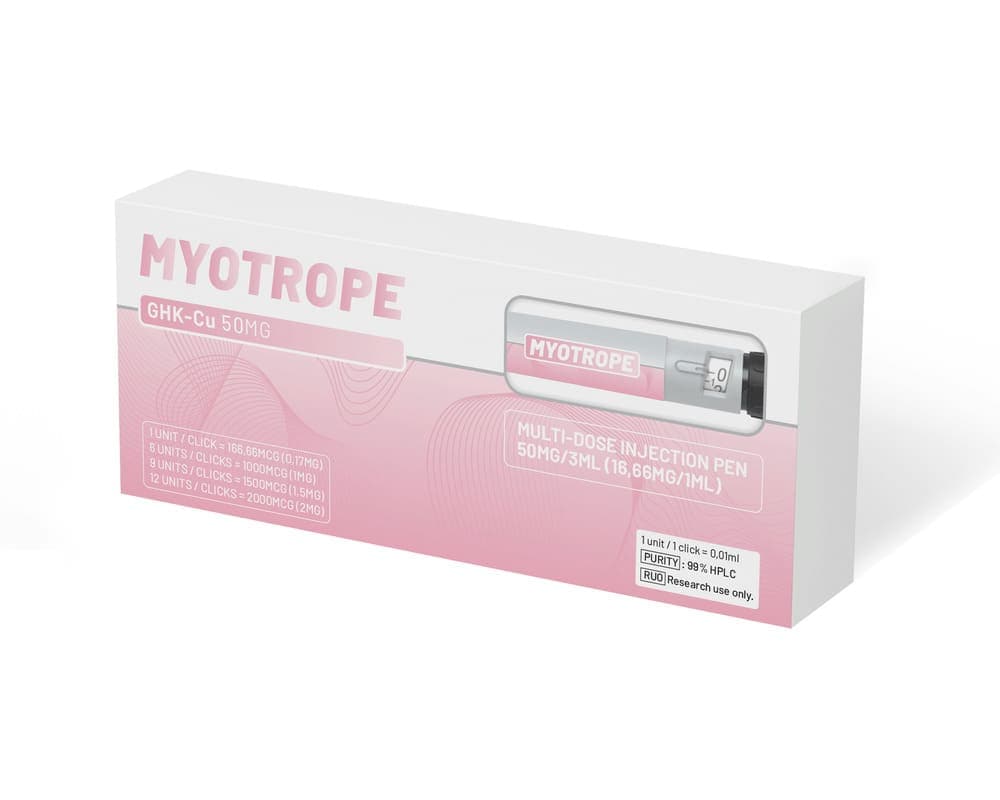
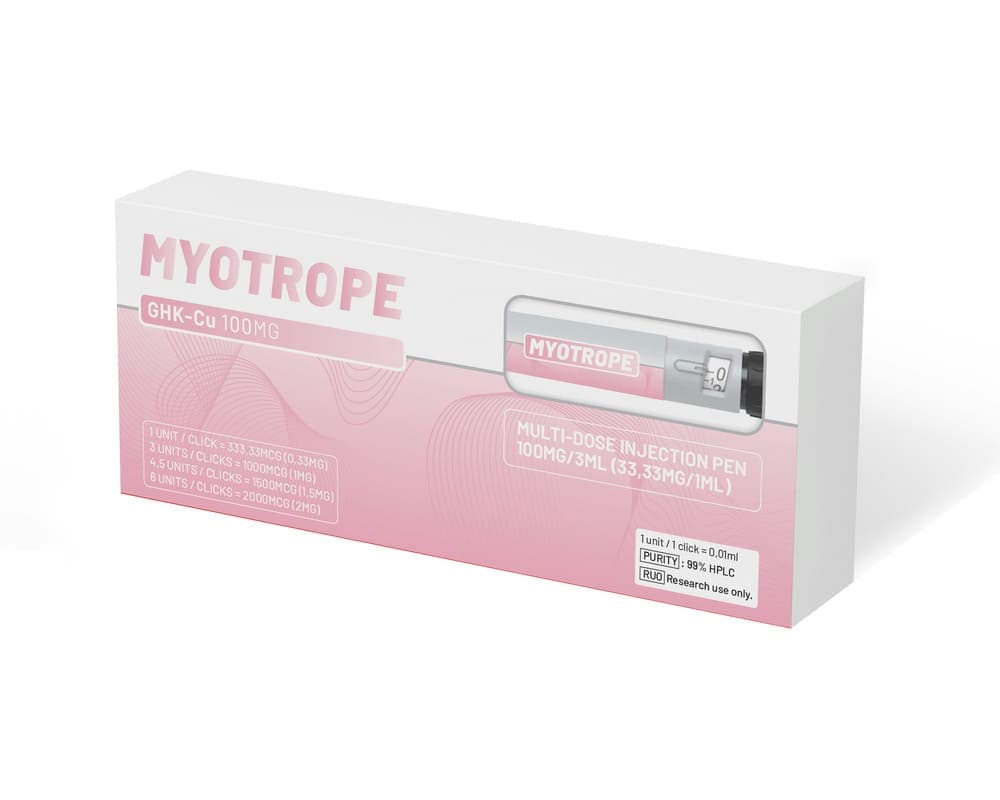
GHK-Cu (50mg)
Ultra High >99.5% Purity
Authorized Resellers
Available through our trusted partners
123peptide.com
Netherlands · Europe
local_shipping2-3 Business Days
Depeptidenwinkel.com
Netherlands · Europe
local_shipping2-3 Business Days
Scientific Background
GHK-Cu is a naturally occurring tripeptide complexed with copper, found in human plasma, saliva, and tissues. It has drawn significant research interest due to its involvement in processes related to tissue repair, skin health, and cellular protection.
In experimental settings, it modulates gene expression to support collagen production, antioxidant activity, and control of inflammatory responses. GHK-Cu acts as a copper-binding regulator that influences numerous biological pathways, particularly those tied to extracellular matrix remodeling, growth factor signaling, and oxidative stress reduction.
Preclinical models frequently demonstrate its capacity to stimulate collagen and glycosaminoglycan synthesis, promote angiogenesis, and enhance fibroblast function in various tissues.
Intended Research Use
- Regulates gene expression to promote collagen synthesis and tissue restructuring
- Strengthens antioxidant defenses and reduces inflammatory signaling
- Supports vascular growth and nerve regeneration in healing models
- Contributes to improved skin structure, elasticity, and barrier function
- Accelerates wound closure and enhanced matrix remodeling
menu_bookScientific Publications
BioMed Res Int (2015)
GHK Peptide as a Natural Modulator of Multiple Cellular Pathways in Skin Regeneration
open_in_newhttps://pubmed.ncbi.nlm.nih.gov/26236730/
Int J Mol Sci (2018)
Regenerative and Protective Actions of the GHK-Cu Peptide in the Light of the New Gene Data
open_in_newhttps://pubmed.ncbi.nlm.nih.gov/29986520/
Wound Repair Regen (2017)
GHK-Cu-liposomes accelerate scald wound healing in mice by promoting cell proliferation and angiogenesis
open_in_newhttps://pubmed.ncbi.nlm.nih.gov/28244139/
Wound Repair Regen (1994)
Enhanced healing of ulcers in patients with diabetes by topical treatment with glycyl-l-histidyl-l-lysine copper
open_in_newhttps://pubmed.ncbi.nlm.nih.gov/17156102/
Brain Sci (2017)
The Effect of the Human Peptide GHK on Gene Expression Relevant to Nervous System Function and Cognitive Decline
open_in_newhttps://pubmed.ncbi.nlm.nih.gov/28212278/
Front Pharmacol (2017)
GHK Peptide Inhibits Bleomycin-Induced Pulmonary Fibrosis in Mice by Suppressing TGFβ1/Smad-Mediated EMT
open_in_newhttps://pubmed.ncbi.nlm.nih.gov/29276494/
Research Note: In skin and wound-healing studies, GHK-Cu accelerates closure, enhances matrix component production, and modulates growth factors (TGF-β, IGF) to help limit hypertrophic scarring. Clinical observations in diabetic ulcers report markedly improved closure rates and reduced infection incidence.
FOR RESEARCH USE ONLY. This product is intended for laboratory research purposes only and is not for human consumption, medical, or diagnostic use.
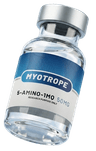
Possible stacks with other peptides
Synergistic combinations for enhanced research outcomes
Preclinical research suggests combining GHK-Cu with complementary peptides can enhance tissue repair and skin regeneration outcomes.
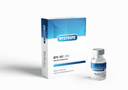
BPC-157 (5mg vial)
arrow_forwardmyo-bpc-157-5mg
Complementary effects on tissue healing and inflammation control.
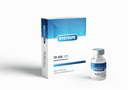
TB-500 (5mg vial)
arrow_forwardmyo-tb-500-5mg
Enhanced regeneration, angiogenesis, and recovery support.
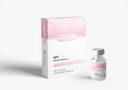
KPV (10mg vial)
arrow_forwardmyo-kpv-10mg
Anti-inflammatory and skin barrier benefits in dermal studies.
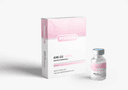
AHK-Cu (100mg vial)
arrow_forwardmyo-ahk-cu-100mg
Full follicle stimulation and hair growth support.
Cycling Note: Common research cycles are 8–12 weeks, extendable to 16 weeks.